
Food Carts for Local Entrepreneurship
 Micro-Food Carts and Kiosks: The Ultimate Guide to Low-Cost Entrepreneurship
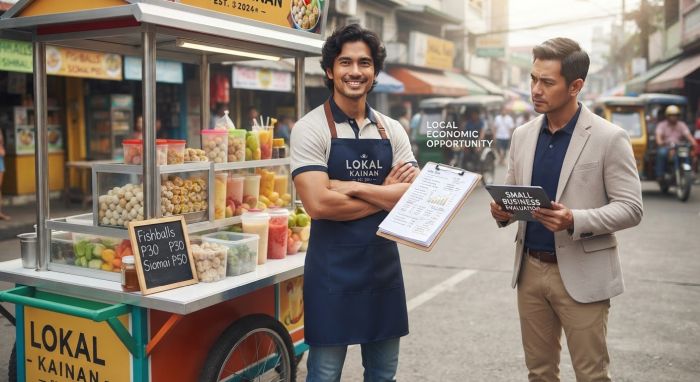 Micro-Food Carts and Kiosks: The Ultimate Guide to Low-Cost Entrepreneurship
Launching branded food carts offers aspiring Filipino entrepreneurs a fast, practical pathway toward financial independence. These compact business setups feature branded food or beverage stalls serving popular quick-service meals. You see them selling steamed siomai, crispy fried snacks, and refreshing local coffee drinks nationwide. Operators place these stalls directly in high-foot-traffic zones like busy barangay roads and crowded street corners. Furthermore, positioning carts near public schools, jeepney terminals, and tricycle hubs captures thousands of hungry commuters daily. A small footprint yields maximum customer exposure without requiring expensive commercial floor space leasing.
Operational Structure and Franchise Systems
Operating a micro-kiosk eliminates the guesswork that typically plagues traditional, independent restaurant startups. Franchisors provide every franchisee with a proven operational manual containing detailed daily procedures. These step-by-step guides streamline food prep, inventory tracking, customer service, and stall maintenance.
       [ Mother Brand Central Kitchen ]

                     │

          (Pre-packaged Ingredients)

                     ▼

          [ Micro-Food Cart Unit ]

                     │

        (Standardized Daily Prep & Cooking)

                     ▼

           [ Direct-to-Customer Sales ]
In addition, parent brands furnish efficient, pre-packaged supply chains directly to your operating location. You receive proprietary ingredients and sauces directly from certified central kitchens on a regular schedule. Standardized recipes ensure that every order delivers consistent taste and quality to your loyal customers. Consequently, staff members require minimal culinary training to prepare and serve menu items efficiently.
Low Startup Capital and Budgeting
Initial startup costs range remarkably low, sitting between ₱17,000 and ₱50,000 for basic setups. Popular micro-franchise concepts like Siomai King or small beverage carts fit comfortably within this accessible price range. This affordable entry point allows first-time business owners to launch operations without securing heavy bank loans.
Business Models Comparison
Micro Food Cart
Average Capital Investment: ₱17,000 – ₱50,000
Core Advantages: Low overhead, fast setup, turnkey operations
Typical Locations: Barangay roads, transport terminals
Standard Mall Kiosk
Average Capital Investment: ₱150,000 – ₱300,000
Core Advantages: High foot traffic, enclosed environment, higher ticket size
Typical Locations: Shopping malls, commercial centers
Independent Stall
Average Capital Investment: ₱80,000 – ₱150,000
Core Advantages: Full menu control, no franchise royalty fees
Typical Locations: Private lots, school perimeters
Lower initial investment significantly decreases financial risk while drastically shortening your overall capital payback period. Most owners recoup their initial investment within three to six months of active daily operations. Small daily sales volumes quickly cover minimal operating expenses, generating immediate net profits for owners.
Selecting High-Profit Locations
Securing an ideal location determines the ultimate long-term financial success of your mobile food venture. Target areas featuring steady streams of daily pedestrian traffic throughout early morning and late evening hours. Transport terminals offer continuous customer pools as workers grab quick bites during long daily commutes.
                  [ High Foot Traffic Location ]

                                │

   ┌────────────────────────────┼────────────────────────────┐

   ▼                            ▼                            ▼

[ Barangay Roads ]      [ Transport Terminals ]       [ School Zones ]

   • Local Residents        • Daily Commuters             • Students & Youth

   • High Evening Traffic   • Morning & Evening Peaks     • Lunch & Afternoon Peaks
Similarly, public school perimeters provide guaranteed daily customer flows during morning drop-offs and afternoon dismissals. Neighborhood barangay roads capture evening crowds searching for affordable dinner add-ons and late-night snacks. Negotiating rental terms with private property owners keeps monthly occupancy overhead manageable and predictable.
Streamlining Daily Operations and Staffing
Managing a food kiosk requires disciplined daily oversight to control inventory loss and maximize profit margins. Assign honest, customer-oriented staff members who understand basic food hygiene and efficient service standards. Simple inventory logs prevent stock leakage and ensure timely ordering of fresh supplies from distributors.
Key Operational Tasks
Inventory Audit
Frequency: Daily (Opening / Closing)
Core Objective: Track ingredient usage and prevent stock losses
Sanitation Check
Frequency: Multiple times daily
Core Objective: Maintain food safety standards and customer trust
Sales Logging
Frequency: End of day
Core Objective: Monitor daily cash flow and peak sales hours
Supply Ordering
Frequency: Weekly / Bi-weekly
Core Objective: Ensure continuous stock without over-purchasing
Additionally, maintaining immaculate sanitation builds strong customer trust and encourages frequent, repeat buying habits. Clean cooking surfaces, neat uniforms, and organized condiment stations attract discerning diners instantly. Rotating stock ensures fresh ingredients while minimizing wasteful food spoilage losses completely.
Marketing and Customer Retention Strategies
Building a loyal customer base requires active community engagement right from your official opening day. Eye-catching signage featuring vibrant colors and clear pricing displays draws immediate attention from passing pedestrians. Offering grand opening discounts or combo meals entices first-time passersby to sample your food items.
       [ Eye-Catching Signage & Visual Menu ]

                         │

                         ▼

       [ Grand Opening Promos & Combo Deals ]

                         │

                         ▼

    [ Friendly Service & Consistent Food Quality ]

                         │

                         ▼

        [ Repeat Local Customers & Growth ]
Consistently friendly service creates positive personal interactions that transform casual buyers into regular daily patrons. Furthermore, participating in neighborhood events or local sports leagues boosts visibility within the surrounding community. Word-of-mouth recommendations spread rapidly across tight-knit Philippine barangays, driving continuous unpaid marketing for your cart.
Scaling to Multiple Units
Expanding your business network becomes straightforward once your initial cart achieves stable daily operational profitability. Reinvest early net profits directly into purchasing second and third units in nearby neighborhoods. Running multiple units multiplies total daily sales revenues while optimizing bulk supply purchases from your franchisor.
    [ Unit 1: Initial Cart ] ──(Generates Cash Flow)──┐

                                                      ▼

    [ Unit 2: Nearby Terminal ] ◄─────────── [ Reinvest Profits ]

                                                      │

                                                      ▼

    [ Unit 3: School Perimeter ] ◄────────────────────┘
Managing multiple locations allows you to negotiate better rental rates across diverse municipal properties. You transition smoothly from a hands-on cart operator into a successful multi-unit business manager. Micro-food carts remain an unmatched vehicle for building sustainable commercial wealth across the Philippine business landscape.
This Post Has 0 Comments