
Tier 2 Meal Kits

 Meal Kits for Tier 2 Cities as Low Capital Home Based or Small Business
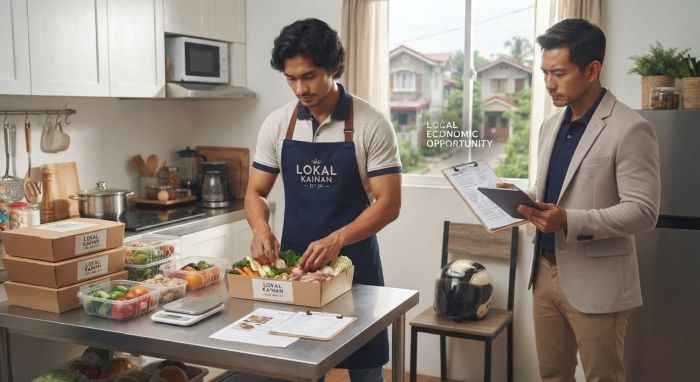 Meal Kits for Tier 2 Cities as Low Capital Home Based or Small Business
Launching meal kits for Tier 2 cities creates an excellent low-capital business for aspiring local entrepreneurs. Growing regional urban centers offer rising consumer demand without the extreme market competition of primary megacities. Families in secondary markets seek daily convenience, healthy cooking, and simple meal preparation routines. You can start this profitable enterprise directly inside your home kitchen using modest personal savings. Smart operators build sustainable income while serving busy workers, young families, and health-conscious residents.
Understanding Tier 2 Markets
Secondary markets feature unique buying habits that differ sharply from crowded Tier 1 financial hubs. Residents value practical spending, familiar flavors, and reliable product quality over overpriced gourmet novelty items. You must target busy working couples who desire fast, home-cooked family dinners after long shifts. These consumers gladly pay for pre-cut ingredients that reduce evening prep time and simplify cooking. Your meal prep enterprise directly solves daily household stress without forcing clients into expensive dining.
Business Model Advantages
Running a home-based food business eliminates burdensome commercial property leases and high utility bills. You maintain minimal monthly overhead expenses by storing fresh inventory inside standard home refrigerators. Traditional restaurant owners struggle with heavy upfront costs, complex staffing, and high equipment investments. In contrast, kit assembly requires basic kitchen tools like sharp knives, cutting boards, and digital scales. This direct operational structure allows fast financial break-even points and immediate positive cash flow.
Home-Based Prep Kitchen ► Low-Cost Ingredients & Simple Tools ► Fast Direct Community Delivery
Selecting Product Offerings
Menu design determines your ultimate business profit margins, prep efficiency, and customer retention rates. Focus on popular regional recipes that use widely available, inexpensive ingredients from local suppliers. Package pre-measured vegetables, pre-mixed sauces, and marinated meats into neat, food-grade plastic containers. Clear instruction sheets guide customers through simple, ten-minute cooking steps inside their own homes. Offering predictable weekly menu rotations keeps ordering exciting for loyal repeat buyers.
Operational Workflow Steps
Inventory Sourcing
* Purchase fresh vegetables and meats from regional wholesale markets every morning.
* Negotiate bulk volume discounts directly with local farmers to maximize profits.
Prep Assembly
* Wash, chop, and portion raw ingredients into exact recipe sizes systematically.
* Seal individual food portions inside sanitary bags to ensure maximum product freshness.
Order Fulfillment
* Organize pre-ordered kits by neighborhood route to streamline daily doorstep delivery.
* Use thermal insulated bags during transit to maintain strict food safety standards.
Budgeting and Pricing
Starting this micro-venture requires minimal capital outlay for packaging supplies, basic ingredients, and initial marketing. You can easily launch operations with a initial budget under ₱25,000. Calculate individual ingredient costs carefully to ensure healthy gross profit margins on every order. Price your finished recipe bundles competitively against local grocery totals and fast-food meal options. Reinvest early profits directly back into better kitchen tools and local advertising efforts.
Sample Financial Breakdown
Startup Budget
Cost: ₱8,500 – ₱17,000
Details: Packaging materials, labels, and basic kitchen tools.
Initial Inventory
Cost: ₱5,500 – ₱11,000
Details: Fresh produce, meats, spices, and pre-mixed sauces.
Local Marketing
Cost: ₱2,800 – ₱5,500
Details: Printed flyers, localized social posts, and sample kits.
Choosing Distribution Channels
Smooth fulfillment keeps operations efficient while keeping transport costs manageable across local urban zones. Partner with existing local courier services or handle nearby deliveries personally during early growth phases. Setting fixed daily delivery time windows helps streamline route planning and cuts fuel expenses significantly. Alternatively, set up central neighborhood pick-up locations at trusted local partner shops. Clear communication regarding order cut-off times prevents unexpected product stockouts and delivery delays.
Daily Kitchen Output ──► Scheduled Doorstep Routes (Fixed morning delivery windows)
└──► Neighborhood Pick-Up Hubs (Partnered local retail shops)
Marketing Your Service
Local word-of-mouth recommendations drive steady sales growth inside tight-knit Tier 2 urban communities. Share clear cooking videos and appetizing food photos across popular social media platforms daily. Highlight total preparation time savings, fresh local ingredients, and affordable family pricing in every post. Offer special introductory discounts or bonus free dessert items to entice first-time buyers. Satisfied clients quickly share positive reviews with neighbors, friends, and co-workers across community networks.
Essential Growth Strategies
Customer Surveys
* Collect weekly feedback regarding recipe taste, portion size, and packaging quality.
* Adjust menu options based on real customer preferences and regional dietary trends.
Subscription Plans
* Offer weekly automated meal plans to secure predictable, recurring monthly revenues.
* Provide small percentage discounts for clients committing to monthly meal subscriptions.
Community Partnerships
* Collaborate with local fitness centers and offices to expand your reach.
* Supply corporate lunch preparation kits for busy desk workers seeking health options.
Scaling Your Business
Expanding operations becomes simple once your initial home kitchen reaches maximum daily processing capacity. Hire local kitchen assistants to manage routine slicing, chopping, and packaging tasks efficiently. Renting a small commercial prep kitchen allows larger batch production without sacrificing food safety standards. Eventually, launch brand branches in neighboring regional cities using your proven operational blueprint. Small meal prep businesses present an unmatched pathway toward long-term financial independence.
This Post Has 0 Comments